


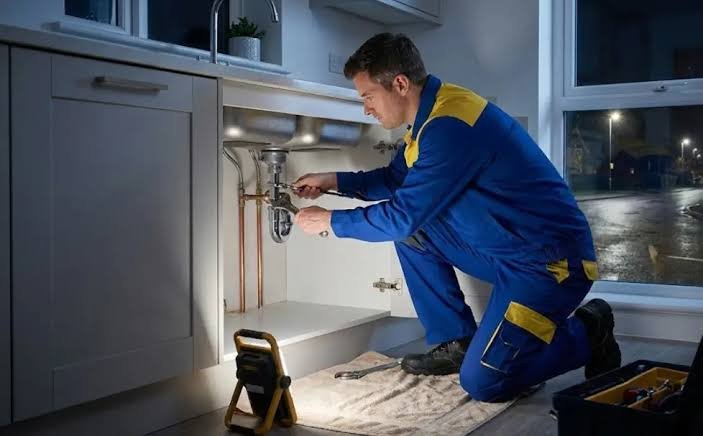
When a plumbing issue arises at home, knowing whether to call an emergency Plumber or a regular Plumber can significantly impact your finances. Plumbing emergencies, such as burst pipes or severe leaks, demand immediate attention and can potentially save you from costly damages. However, regular maintenance might help avoid such emergencies altogether. This article will explore the differences between emergency and regular plumbing services, compare their costs, and provide insights on how each can influence your budget.
Emergency Plumbing Services: When to Call for Help
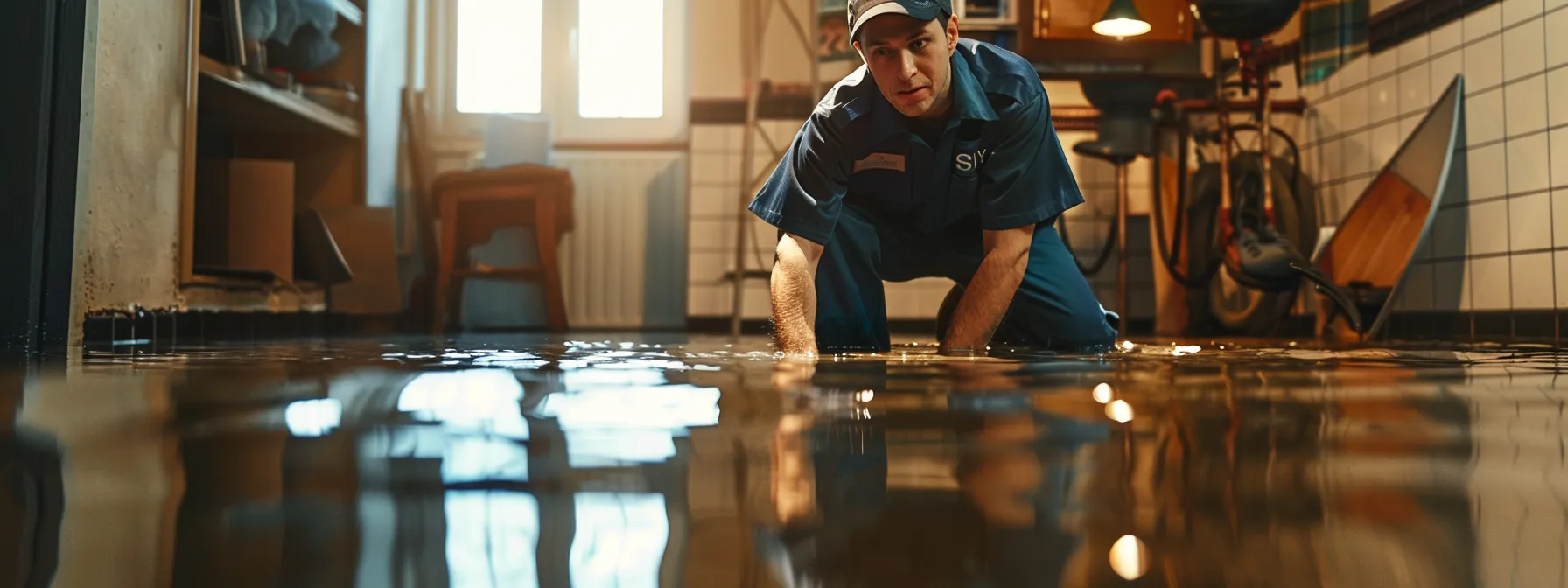
Emergency plumbing services are essential when immediate action is required to prevent extensive water damage or health hazards. For instance, a sudden drop in your Indoor Air Quality Index (IAQ) might indicate a hidden leak causing mold growth. Additionally, emergencies like a major pipe burst can lead to significant structural damage if not addressed promptly. In such situations, reaching out to an emergency Plumber is crucial. These professionals are available 24/7 and can swiftly address urgent problems, preventing further damage and ensuring your home remains safe and habitable.
Cost Comparison: Emergency Plumber vs Regular Plumber
The cost of hiring an emergency Plumber is often higher than that of a regular Plumber due to the immediacy and round-the-clock availability. Emergency services typically charge premium rates for after-hours and weekend calls. However, addressing issues promptly can prevent more severe and costly damage, ultimately saving money. For example, a home with a proactive Energy Monitoring System could alert homeowners to unusual water usage patterns, enabling timely interventions. In contrast, regular Plumbers are scheduled in advance for non-urgent issues, allowing you to plan financially and avoid premium charges. While the initial cost may be lower, delaying repairs could lead to increased expenses if minor issues escalate into emergencies.
Factors Influencing Plumbing Costs
Several factors contribute to the costs associated with plumbing services. The complexity and severity of the issue are primary determinants. For instance, repairing a minor leak typically costs less than addressing a significant sewage backup. Additionally, the location of your home and the time of service can affect pricing. Urban areas might have higher rates due to increased demand and cost of living. Furthermore, implementing Sustainable Landscaping Practices can reduce the risk of drainage problems and associated repair costs. Materials used in repairs, such as switching to Eco-Friendly Building Materials, can also influence the final bill. Choosing quality materials may have a higher upfront cost but can offer long-term savings by enhancing the durability and efficiency of your plumbing system.
Long-Term Savings: Regular Maintenance vs Emergency Repairs
Investing in regular plumbing maintenance can offer substantial long-term savings by preventing emergencies. Regular inspections, akin to a Home Safety Audit, can identify potential issues before they become severe. Scheduled maintenance allows homeowners to address problems like minor leaks or corrosion early, minimizing repair costs. Meanwhile, emergency repairs often involve higher service fees and the potential for extensive property damage, leading to inflated expenses. Additionally, adopting a Smart Home Ecosystem, which includes monitoring water usage, can further protect against unforeseen issues and reduce the likelihood of costly emergencies. By staying proactive, homeowners can ensure their plumbing systems operate efficiently and cost-effectively over time.
Conclusion

Choosing between an emergency Plumber and a regular Plumber hinges on the urgency and potential repercussions of the plumbing issue at hand. While emergency services can prevent extensive damage and offer peace of mind, regular maintenance is a prudent strategy to avoid costly emergencies.
Both approaches have their merits, but regular upkeep will likely yield the most significant long-term financial benefits for your home. By understanding the nuances of each service, homeowners can make informed decisions that safeguard their property and finances.